|
|
 |
| |
|
Training in Japan: |
|
|
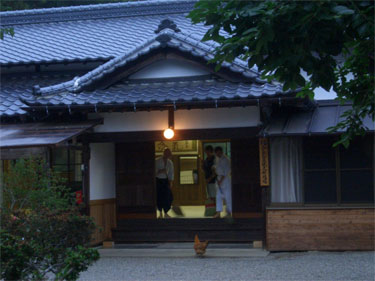
Training in Ibaraki Shibu Dojo (Iwama Dojo)
It is now possible for Aikido students to stay in the Ibaraki Shibu Dojo and
train as uchi deshi. The atmosphere of training in O-Sensei's dojo is truly
a great experience. Many of the instructors have trained extensively under
the direct guidance of Ueshiba O-Sensei. See the information below, and go
to the Ibaraki Shibu Dojo website for further instructions about staying and
training at the dojo.
Ibaraki Branch Dojo
Address: 27-1 Yoshioka, Kasama-Shi, Ibaraki, 319-0203 Japan
|
|
|
| |
 |
|
| |
Practice Schedule
Monday-Saturday 19:00-20:00
Sunday 10:00-11:00
No practice on Japanese national holidays
Registration Fee for Aikikai Foundation 8,400 yen
(Not required for Aikikai members)
Monthly Fee (adults) 5,000 yen/month
Visitor Practice Fee 500 yen/day
(for 1-10 days)
5,000 yen/month
(for more than 10 days in a month)
Accommodation Fee,bedding and utilities
(meals not included) 1,000 yen/day
Contact Information
Hiroshi Isoyama phone: 0299-45-6637
Shigemi Inagaki phone: 0299-45-0107
Instructors
Hiroshi Isoyama Shihan, 8th dan
Shigemi Inagaki Shihan, 7th dan
Yoshifumi Watabiki Sensei, 7th dan
Yukimasa Owada Sensei, 6th dan
Seizo Kubota Sensei, 5th dan
Yoshimichi Nagashima Sensei, 5th dan
Toshihiro Isoyama Sensei, 5th dan
Ibaraki Shibu Dojo website:
http://www13.big.or.jp/~aikikai/index.html
|
|
| |
|
|
| |
|
|
|